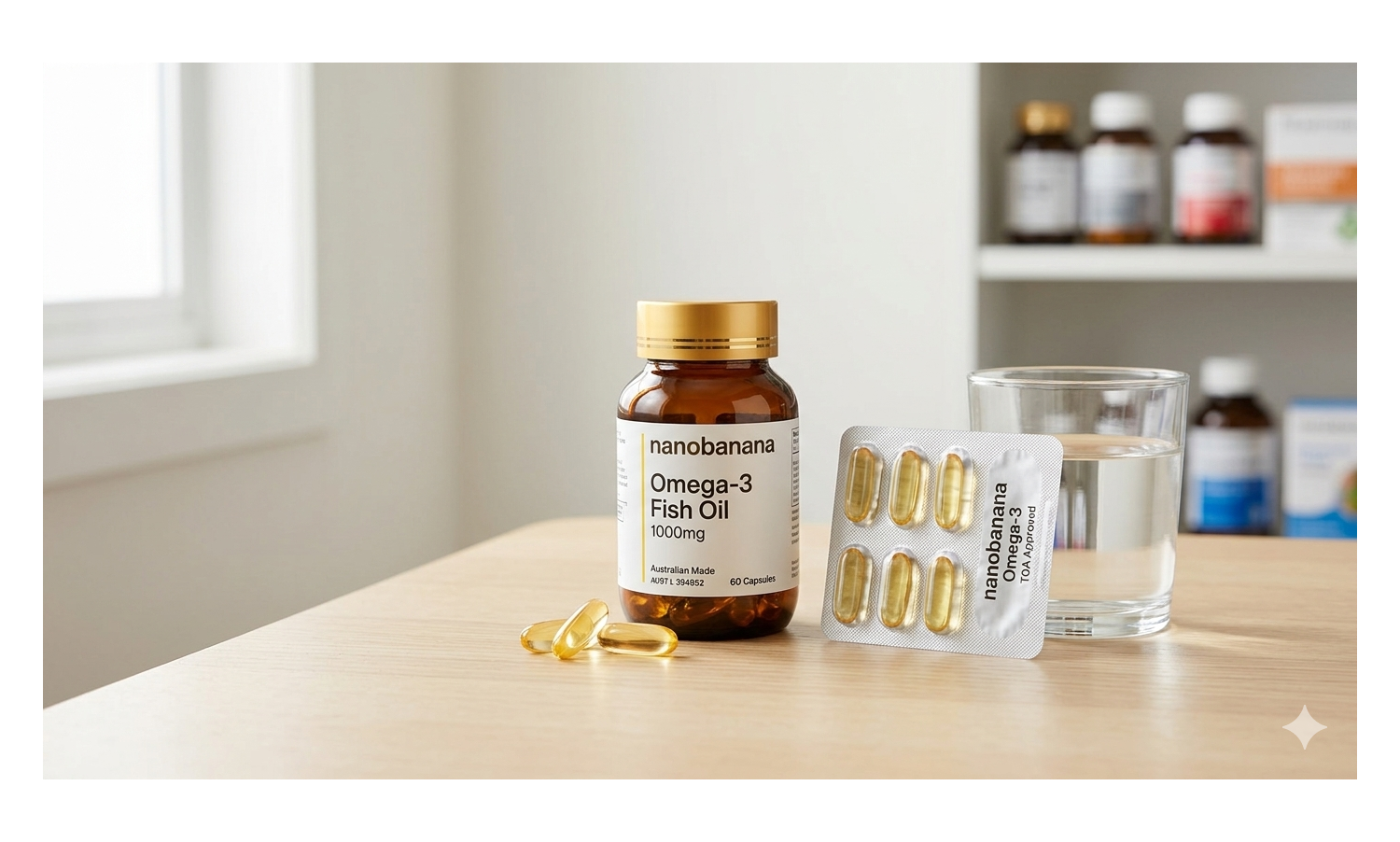

Fish oil remains one of the most popular supplements in Australia, but many consumers still have the same questions before making a purchase. Does it really work? How much EPA and DHA do I actually need? Is it safe for daily use? And how do I know the label can be trusted?
These are all reasonable concerns. Many Australian shoppers are no longer satisfied with simply seeing “1000mg fish oil” on the front of a bottle. They want to know what is actually inside, whether the product is suitable for their needs, and whether it offers genuine value.
1. Does fish oil actually work?
This is usually the first question consumers ask. Many people buy fish oil for general wellness, heart health, or long-term support, but they still want reassurance that it is worth taking.
For many shoppers, the real question is not just whether fish oil works, but whether they personally need it. Some people are looking for daily nutritional support, while others are comparing fish oil options because they want a product with a stronger omega-3 profile.
Looking for trusted daily wellness support?
Explore Our Fish Oil Collection2. Is 1000mg fish oil the same as 1000mg omega-3?
This is one of the most common misunderstandings.
A bottle may say 1000mg fish oil, but that does not mean it contains 1000mg of active omega-3. The most important numbers are usually EPA and DHA, because these are the key omega-3 fatty acids most consumers are looking for.
That is why many Australians now compare products by checking how much EPA and DHA each capsule provides, rather than only looking at the total fish oil amount on the front label.
Shop high-strength fish oil formulas with clearly listed EPA and DHA content.
3. How important is freshness?
Freshness matters a lot with fish oil.
Consumers often worry about fishy aftertaste, strong smell, unpleasant burps, or the possibility that the oil may have oxidised over time. Even if the product is technically still within date, buyers often prefer products with clear expiry information and packaging that suggests quality and proper storage.
For many customers, freshness is closely linked to trust. If a fish oil supplement smells unpleasant or tastes too strong, they may assume the quality is poor.
4. Is it safe to take fish oil every day?
Daily use is another major concern.
Some consumers take fish oil as part of a regular wellness routine, while others are more cautious and want to know whether it is suitable for ongoing use. People may also wonder whether a fish oil product is appropriate for their age group, health goals, or lifestyle.
This is why product clarity matters. Customers want simple information that helps them understand who the product is for and how it is typically used.
5. Can fish oil cause side effects?
Yes, this is another common concern.
Some people worry about digestive discomfort, reflux, fishy burps, or general stomach sensitivity. Others want to know whether the product feels light and easy to take, especially if they already use multiple supplements.
For this reason, shoppers often look for product descriptions that mention capsule size, concentration, ease of use, and overall user experience.
6. Is the product clean and pure?
Australian consumers care strongly about purity.
Many buyers want to know whether the fish oil may contain heavy metals, impurities, or other unwanted substances. This is especially important for parents, older adults, and customers who plan to take fish oil for a long time.
A clean, trustworthy label gives buyers more confidence. Products that clearly communicate quality, sourcing, and compliance often perform better because they reduce uncertainty.
7. Can the label be trusted?
Label accuracy has become a major part of buying decisions.
Customers want to know whether ingredients are clearly listed, whether allergen information is easy to understand, and whether the front-of-pack marketing matches what is actually inside the bottle.
The more transparent the product presentation is, the easier it becomes for shoppers to feel comfortable purchasing.
8. Is it suitable for children, pregnant women, or older adults?
Not every fish oil product is suitable for every customer.
This is why many shoppers specifically look for fish oil products tailored to different user groups. Parents may look for DHA-focused products for children, while older adults may focus more on daily wellness support. Some consumers also want a product that feels gentle and easy to include in their routine.
Clear positioning helps a lot here. When customers can quickly understand who the product is designed for, conversion becomes easier.
What do Australian consumers look for before buying?
Before choosing a fish oil supplement, most Australian consumers want to check a few simple things:
- The EPA and DHA content per capsule
- Whether the product appears fresh and high quality
- Whether the label is clear and trustworthy
- Whether allergen information is easy to find
- Whether the product is suitable for their age group or lifestyle
- Whether the overall value matches the price
Choose Fish Oil with Confidence
When shopping for fish oil supplements, Australian consumers want more than just a familiar label. They want confidence in quality, clarity, and value. By checking EPA and DHA content, freshness, purity, and suitability, it becomes much easier to choose the right product for your needs.
Shop Fish Oil NowFinal Thoughts
Australian consumers are becoming more informed and more selective when shopping for fish oil supplements. They are no longer just looking for a low price or a familiar label. They want real clarity around ingredients, omega-3 content, freshness, safety, and product suitability.
For brands and retailers, this means the best fish oil listings are the ones that answer those concerns clearly and confidently.